Aggressive behavior in dogs can feel stressful and hard to manage. Many owners worry about safety, especially around children or strangers. The good news is that you can reduce aggression with the right plan. You do not need harsh punishment or fear-based methods. In many cases, those methods make the problem worse.
Modern dog training focuses on safety, trust, and clear signals. Experts from the American Kennel Club support reward-based training because it changes behavior without adding fear. Aggression often comes from anxiety, past trauma, poor social exposure, or confusion. When you address the cause, you help your dog feel safe.
This guide gives steps you can use in daily life. You will learn how to read your dog, avoid risky moments, and train calm responses over time. Each method puts safety first, for you and your dog.
Training an aggressive dog is not about control. It is about clear guidance. With patience and a steady plan, even hard cases can improve.
Understanding Why Dogs Become Aggressive
Aggression is not random. Dogs use it to respond to something they find unsafe or uncomfortable. When you know the cause, you can change the behavior.
Many dogs act this way due to fear, pain, or lack of early social contact. A rescue dog may react due to past harm. A family dog may react due to weak rules or mixed signals.
Dogs do not think in terms of right or wrong. They act based on how they feel. A fearful dog may growl to create space. A tense dog may bark or lunge when it feels stuck.
A dog that snaps at guests is not “bad.” It may feel unsafe when people enter its space. If you punish the dog, fear may rise, and the reaction may get worse.
Focus on what your dog tries to say. Watch for patterns. Does the behavior show up at meal time, on walks, or when touched? Each clue helps you find the trigger.
When you know the reason, training becomes clear.
Identifying Triggers and Early Warning Signs
Dogs give signals before they bite or lunge. Many owners miss these signs. This leads to sudden reactions.
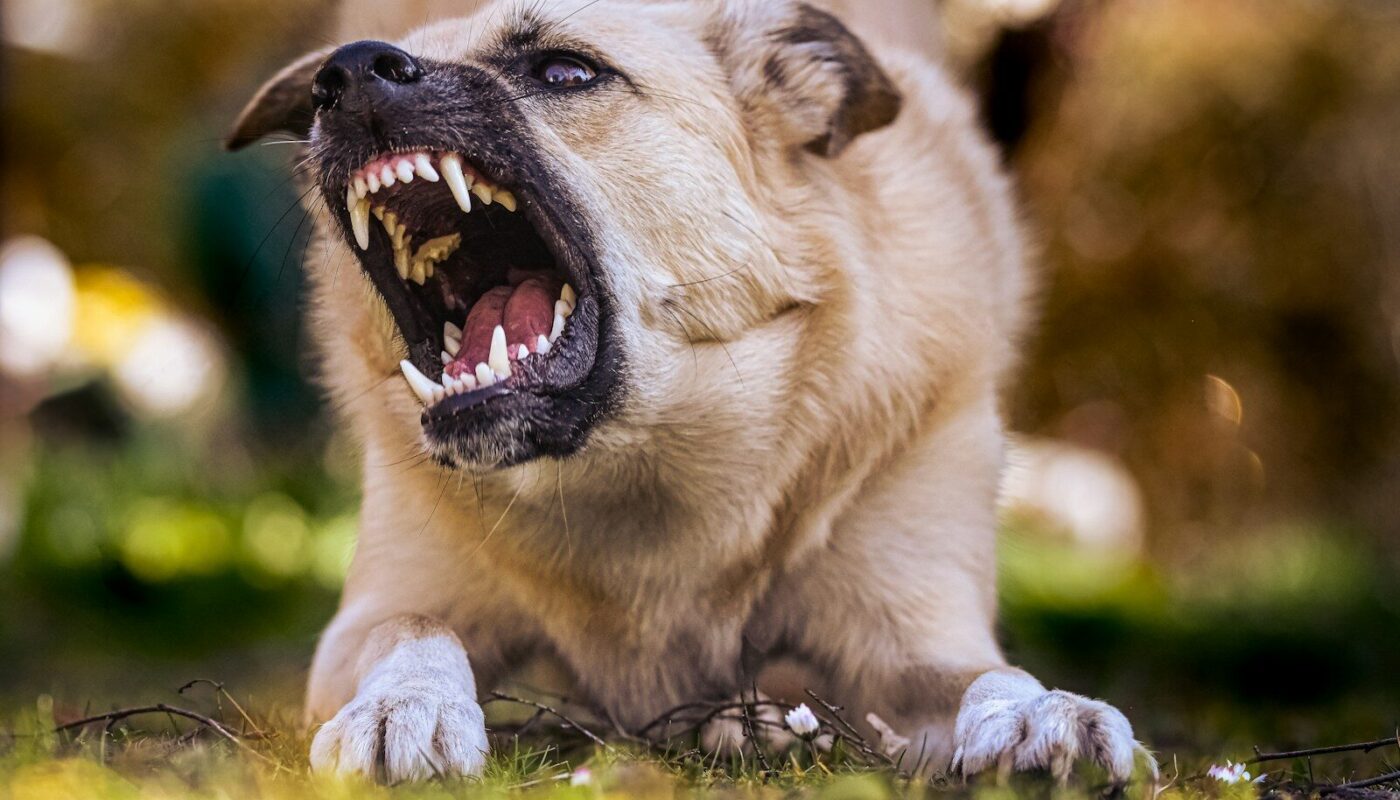
You can learn to spot early signs. A stiff body, turned head, or low growl can show stress. Raised fur along the back can also signal tension. These signs tell you the dog feels uneasy.
Track when the behavior happens. Write down what came before it, where it took place, and what or who was near. This helps you find clear patterns.
For example, if your dog reacts near its food bowl, it may guard food. If it reacts on walks, it may feel trapped by the leash.
When you know the pattern, you can avoid stress points. You can also plan calm training sessions instead of reacting in the moment.
Prevention is safer than correction.
Creating a Safe Training Environment
Safety comes first. A calm space helps your dog learn without fear.
Start in a quiet area with few distractions. This can be a room at home or a fenced yard. Avoid busy places in the early stage.
Distance is a key tool. If your dog reacts to people, stay far enough so it stays calm. Over time, you can reduce that space.
Use simple tools to stay in control. A strong leash and harness help guide your dog. Gates can create safe zones at home. A basket muzzle can protect in high-risk cases.
Muzzles may seem harsh, but when you introduce them the right way, they keep everyone safe without harm.
A calm space helps your dog focus. When stress drops, learning improves.
The Role of Positive Reinforcement in Behavior Change
Positive reinforcement means you reward calm behavior. This helps your dog learn what to do.
Punishment may stop a behavior for a short time, but it does not fix the cause. In many cases, it adds fear. A fearful dog is more likely to react again.
Groups like the American Veterinary Society of Animal Behavior support reward-based training because it lowers stress and helps learning.
Start with simple steps. When your dog stays calm near a trigger, give a reward at once. This can be food, praise, or play. Timing matters. The reward must come right away.
If your dog reacts to strangers, stand at a safe distance. When it sees a person and stays calm, give a treat. Repeat this often. Over time, your dog links people with good outcomes.
This method takes time, but it builds lasting change.
Building Trust Before Training Commands
Trust comes before commands. Without trust, training feels like pressure.
An aggressive dog often feels unsure. If you rush, the dog may resist or react. When trust grows, the dog looks to you for guidance.
Spend calm time together each day. Walk, sit, or play in a quiet way. Let the dog come to you. Do not force contact.
Keep your tone and actions steady. Dogs learn patterns fast. When they know what to expect, they relax.
A dog that guards food may not trust people near its bowl. Instead of taking the bowl, sit at a distance and toss treats while it eats. Over time, the dog links your presence with good things.
You can also use tools like KONG toys. They keep the dog engaged and build positive links.
Trust takes time, but it makes training easier.
Using Desensitization and Counter-Conditioning
These methods change how your dog feels about a trigger.
Desensitization means you expose your dog to a trigger at a low level. The goal is to keep the dog calm. If the dog reacts, the level is too high.
Counter-conditioning means you pair the trigger with a reward. Over time, the dog forms a new link.
Start far from the trigger. Let your dog notice it while calm. Give a reward. Repeat this often. Slowly reduce the distance over time.
If your dog reacts to other dogs, begin at a distance where it stays calm. Reward that calm state. Over time, move closer.
Trainers from the Association of Professional Dog Trainers use this method because it changes the root cause.
Progress may feel slow, but it is steady.
Managing Aggression During Walks and Social Situations
Walks can be hard for reactive dogs. You can still manage them with a plan.
Pick quiet times and routes. Fewer triggers mean less stress. Stay alert and watch your surroundings.
When you see a trigger, create space. Cross the street or turn away. Distance helps your dog stay calm.
Keep the leash short but loose. Tension can raise stress. Use simple commands like “sit” or “look” to guide focus.
If another dog comes close, step aside and ask your dog to look at you. Reward eye contact. This shifts focus away from the trigger.
Some trainers, like Cesar Millan, stress calm body language. Your posture and tone can affect your dog.
With practice, walks can improve.
Safe Use of Tools Like Muzzles and Leashes
Tools help you stay safe during training. They do not fix behavior on their own.
Use a strong leash and a well-fitted harness. A harness gives control without neck strain.
A basket muzzle can protect in high-risk cases. Groups like the RSPCA support proper muzzle use.
Introduce tools in a calm way. Let your dog sniff the muzzle. Reward calm interest. Build up time slowly.
If your dog reacts at the vet, a muzzle can help keep visits safe. Pair it with rewards so the dog feels at ease.
Tools support training. They do not replace it.
Training Commands That Help Control Aggression
Simple commands give your dog structure.
Teach “sit,” “stay,” and “look.” These cues help guide your dog in tense moments.
Practice in a quiet space first. Then add mild distractions. Keep the dog below stress level.
If your dog fixates on a trigger, use “look” and reward eye contact. This breaks the focus.
Tools from brands like PetSafe can help mark correct behavior.
Keep sessions short. End on a calm note.
How to Respond During an Aggressive Episode
Stay calm. Your reaction affects your dog.
Do not shout or punish. This can raise fear. Instead, create space. Move away from the trigger.
Keep your body relaxed. Turn slightly to the side. Use a known command in a calm tone.
Once your dog settles, reward calm behavior. This shows the dog that calm actions lead to relief.
Groups like the Humane Society of the United States stress that safety comes first.
After the event, think about the trigger. Use that insight for future training.
Avoiding Common Mistakes That Make Aggression Worse
Some actions can make aggression worse.
Do not punish growling. It is a warning sign. If you stop the warning, the dog may move straight to biting.
Avoid mixed signals. Keep rules clear and steady.
Do not rush progress. If you push your dog too fast, you may undo training.
Groups like the ASPCA stress patience and steady steps.
Small, steady progress works best.
When to Seek Help from a Professional Trainer
Some cases need expert help.
If your dog has bitten someone or shows strong repeated aggression, seek support. A trained expert can assess the case and build a plan.
Look for someone who uses reward-based methods. Avoid harsh techniques.
Groups like the International Association of Animal Behavior Consultants set standards for safe training.
Getting help is a smart step. It keeps everyone safe.
The Role of Diet, Exercise, and Mental Stimulation
Daily routine affects behavior.
Regular exercise helps release energy. Calm walks and structured play work best.
Mental work also matters. Puzzle toys, short training sessions, and scent games can reduce stress.
Good nutrition supports health. Brands like Royal Canin design food for specific needs.
A dog with balanced needs is calmer and easier to train.
Long-Term Behavior Maintenance and Consistency
Training does not end after progress.
Dogs learn through repetition. Keep rules the same. All family members should follow the same plan.
Build a steady routine. Feed, walk, and train at set times.
Keep rewarding calm behavior. Practice in new settings. Avoid stress when needed.
Guidance from the American Kennel Club highlights the need for ongoing practice.
Consistency builds lasting habits.
Conclusion
Training an aggressive dog takes time and a clear plan. There is no quick fix, but there is a path.
Focus on triggers, trust, and reward-based training. Avoid harsh methods. They often increase fear.
Stay consistent. Use daily routines and simple steps. Seek help when needed.
Keep safety at the center. Protect yourself, your family, and your dog.
You are not trying to control your dog. You are helping it feel safe enough to choose calm behavior.