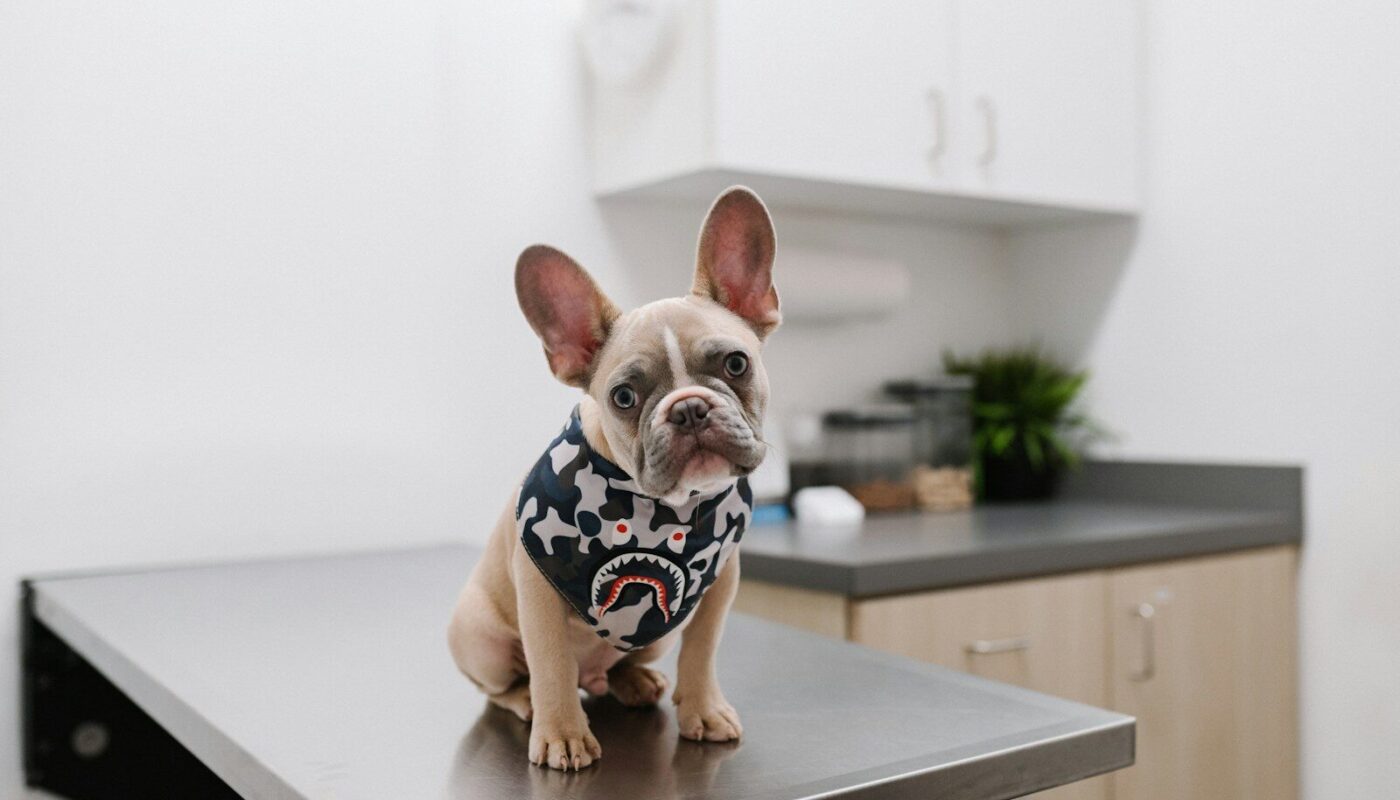
Regular veterinary visits form the base of preventive dog care in 2026. Many owners still wait for clear symptoms, but early checks often reduce cost and stress. A yearly visit is not a formality. It is a full check that can catch hidden issues such as early kidney disease, dental decay, or weight imbalance.
What Happens During a Routine Visit
A routine visit includes a physical exam, weight check, and sometimes blood tests based on age. Groups like American Veterinary Medical Association advise yearly blood tests for adult dogs and twice a year for senior dogs. These tests can reveal problems before signs appear.
How to Make Vet Visits More Useful
Do not go unprepared. Small notes help your vet a lot.
Track eating habits and energy
Notice small behavior changes
Carry vaccination records
For example, if your dog scratches more than usual, mention it early. This can help detect allergies before they turn into skin infections.
Consistency matters. Skipping visits creates gaps in health history. This makes slow changes harder to spot. Treat each visit like a yearly health review—simple and necessary.
Core Vaccinations and Booster Planning in 2026
Vaccines protect dogs from serious diseases that still exist. Skipping them increases risk. In 2026, vets adjust schedules based on lifestyle and exposure.
Essential Vaccines Every Dog Needs
Core vaccines protect against major diseases:
Rabies
Parvovirus
Distemper
Adenovirus
Groups like World Small Animal Veterinary Association state these are essential for all dogs.
When Boosters Matter
Vaccines need boosters to stay effective. Puppies need a series of shots. Adult dogs often need boosters every 1–3 years.
For example, a dog that visits parks often may need extra protection against kennel cough. Missing boosters weakens immunity.
Set reminders on your phone or use clinic alerts. This keeps you on schedule without effort.
Parasite Prevention: Fleas, Ticks, and Worms
Parasites are common, especially in warm climates. Fleas, ticks, and worms can cause illness if ignored.
Why Prevention Works Better
Treatment takes more time and effort than prevention. Fleas multiply fast. Ticks can spread diseases.
Products like Frontline and NexGard help control risk when used on time.
Building a Simple Routine
Use a clear plan:
Monthly flea and tick treatment
Deworm every 3–6 months
Clean bedding often
If your dog spends time outdoors, risk increases. Missing even one dose can lead to infestation.
Dental Care Routine for Long-Term Health
Dental care affects overall health. Poor hygiene can lead to gum disease and organ problems.
Signs to Watch
Bad breath is often the first sign. Other signs include yellow teeth, red gums, and trouble chewing.
The American Animal Hospital Association notes many dogs show dental issues by age three.
Simple Dental Habits
Keep it basic:
Brush teeth 2–3 times a week
Use dental chews
Plan professional cleaning
A few minutes of care can prevent major problems later.
Nutrition Check: Adjusting Diet Over Time
A dog’s diet should change with age and activity. Puppies, adults, and seniors all need different nutrition.
Matching Food to Needs
Check food labels by life stage. Brands like Royal Canin and Pedigree offer tailored options.
Active dogs need more calories. Less active dogs need fewer.
Signs to Adjust Diet
Watch for:
Weight change
Low energy
Dull coat
Digestive issues
Review feeding amounts often and adjust as needed.
Weight Management and Obesity Prevention
Weight gain happens slowly. Many owners notice it late.
Why Weight Matters
Extra weight strains joints and reduces stamina. The Association for Pet Obesity Prevention reports many dogs are overweight.
Simple Control Steps
Measure food
Limit treats
Split meals
Small changes work better than strict diets.
Daily Exercise and Mental Stimulation
Exercise supports both body and mind. Lack of activity often leads to behavior problems.
Matching Activity Levels
Different dogs need different routines. High-energy breeds need more structured activity.
The American Kennel Club suggests combining physical and mental exercise.
Easy Daily Activities
Short training sessions
Puzzle toys
Rotating toys
Consistency matters more than intensity.
Grooming and Skin Health Monitoring
Grooming helps you spot early problems.
What to Check
Look for ticks, dry skin, or lumps during grooming.
Simple Routine
Brush coat weekly
Check ears
Trim nails
Avoid overbathing. Balance is key.
Early Disease Detection at Home
Small changes often show early health issues.
What to Watch
Changes in eating, sleep, or behavior matter.
The American Veterinary Medical Association notes behavior shifts often come first.
Daily Checks
Look at eyes
Check nose
Observe stool
Track patterns, not single events.
Seasonal Care Adjustments
Weather affects your dog’s health.
Seasonal Risks
Heat can cause dehydration. Cold can affect joints.
Simple Adjustments
Summer: avoid peak heat
Monsoon: keep paws dry
Winter: provide warmth
Small changes prevent common problems.
Senior Dog Preventive Care
Older dogs need closer care.
What Changes
Joint issues and slower metabolism are common.
Daily Support
Soft bedding
Easy access to food
Gentle walks
Adjust routines as your dog ages.
Puppy Preventive Care
The first year builds long-term health.
Why It Matters
Puppies are more vulnerable to illness.
Core Habits
Follow vaccine schedule
Feed proper portions
Start training early
Good habits early prevent future issues.
Emergency Preparedness
Quick action matters in emergencies.
Signs to Act Fast
Breathing issues
Seizures
Collapse
Basic Setup
First-aid kit
Saved vet contacts
Medical records ready
Preparation reduces panic.
Preventive Supplements
Not all dogs need supplements.
When They Help
Use them for specific needs like joints or skin.
Brands like Purina Pro Plan and Himalaya offer options.
Common Types
Omega-3
Glucosamine
Probiotics
Use only when needed.
Simple Year-Round Checklist
A system keeps care consistent.
Why It Helps
You avoid missed tasks.
Apps like PetDesk can help track schedules.
Basic Plan
Monthly: parasite care
Quarterly: deworming
Yearly: vet visit
Keep it simple and repeatable.
Home Safety and Toxin Prevention
Many home items can harm dogs.
Common Risks
Chocolate
Medicines
Cleaning products
The ASPCA provides safety lists.
Safety Steps
Store chemicals safely
Cover trash bins
Clear food from tables
Small habits reduce risk.
Behavior and Stress Management
Behavior reflects health.
Signs of Stress
Aggression
Restlessness
Withdrawal
Daily Stability
Fixed routines
Quiet space
Regular activity
A stable routine reduces stress.
Hydration and Clean Water
Water supports all body functions.
Why It Matters
Dehydration affects energy and organs.
Simple Habits
Refresh water daily
Clean bowls
Add extra water spots
Watch intake for changes.
Travel and Outdoor Safety
Travel adds new risks.
Common Issues
New environments
Diet changes
Stress
Guidelines from Centers for Disease Control and Prevention stress preparation.
Basic Prep
Carry records
Use safe transport
Bring regular food
Plan ahead to avoid problems.
Conclusion: Keep It Simple
Preventive care works best with simple, steady habits.
Focus on:
Regular vet visits
Balanced diet
Daily activity
Basic grooming
Groups like World Small Animal Veterinary Association support this approach.
Start small. Stay consistent. That is what keeps your dog healthy over time.